How interior design affects mental health
The growing evidence linking interior design to mental wellbeing, and what it means for retail, workplace, and hospitality environments.
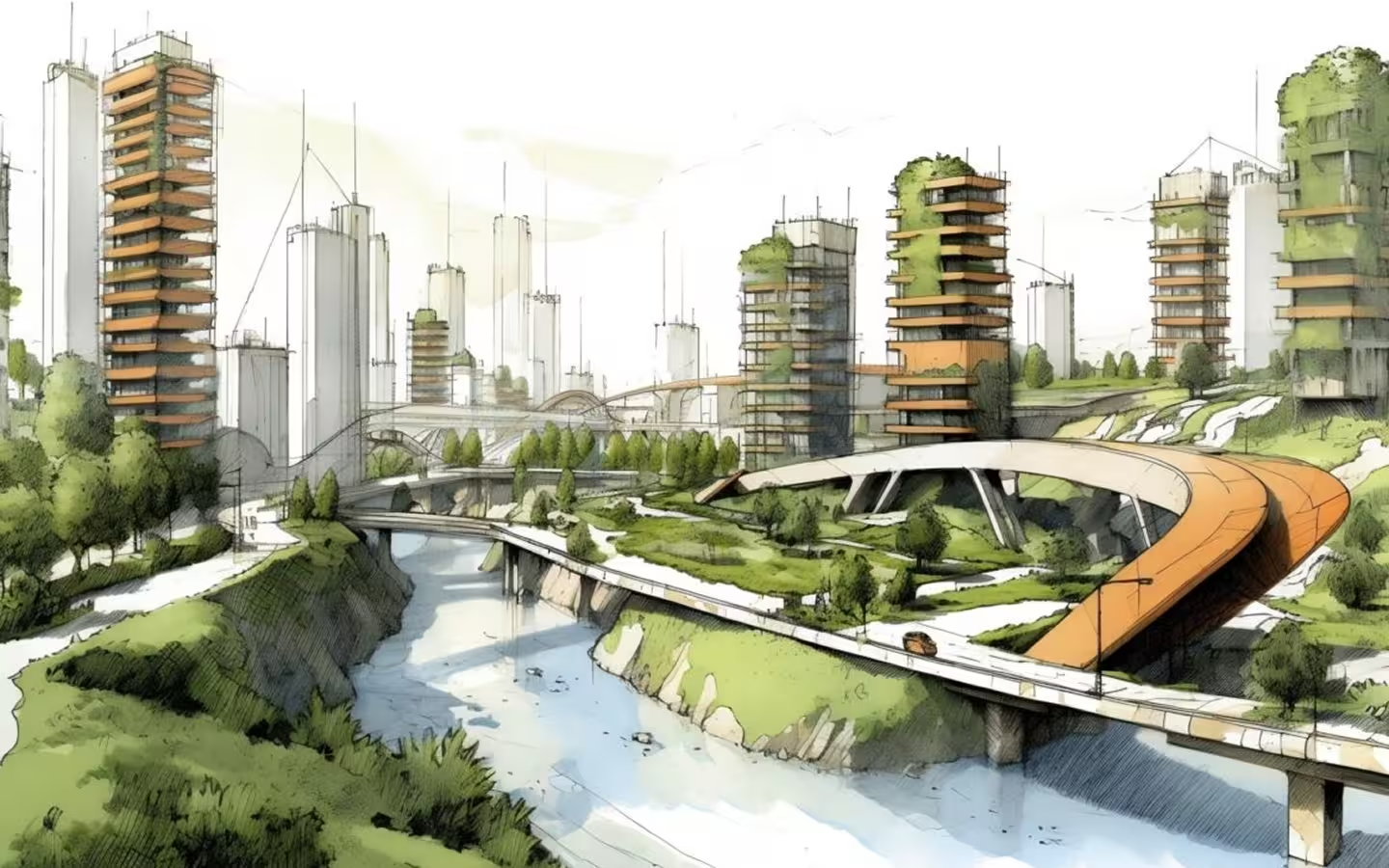

Design that looks after people
Designing a retail, workplace or hospitality environment with customer wellbeing in mind may not be top of the agenda for most brands, but it should be. The spaces we inhabit shape how we feel, think, and behave in ways that are often invisible but consistently measurable. A store or office that prioritises wellbeing doesn't just feel better to be in; it performs better commercially.
Colour psychology
We learn from an early age that colour profoundly impacts emotion and behaviour. Overwhelming colour schemes create visual fatigue, while considered palettes can guide customers through a space intuitively. Colour is not just decoration; it is a strategic tool. Used well, it can highlight key products, signal transitions, and make a customer's journey feel effortless rather than effortful.
Natural light
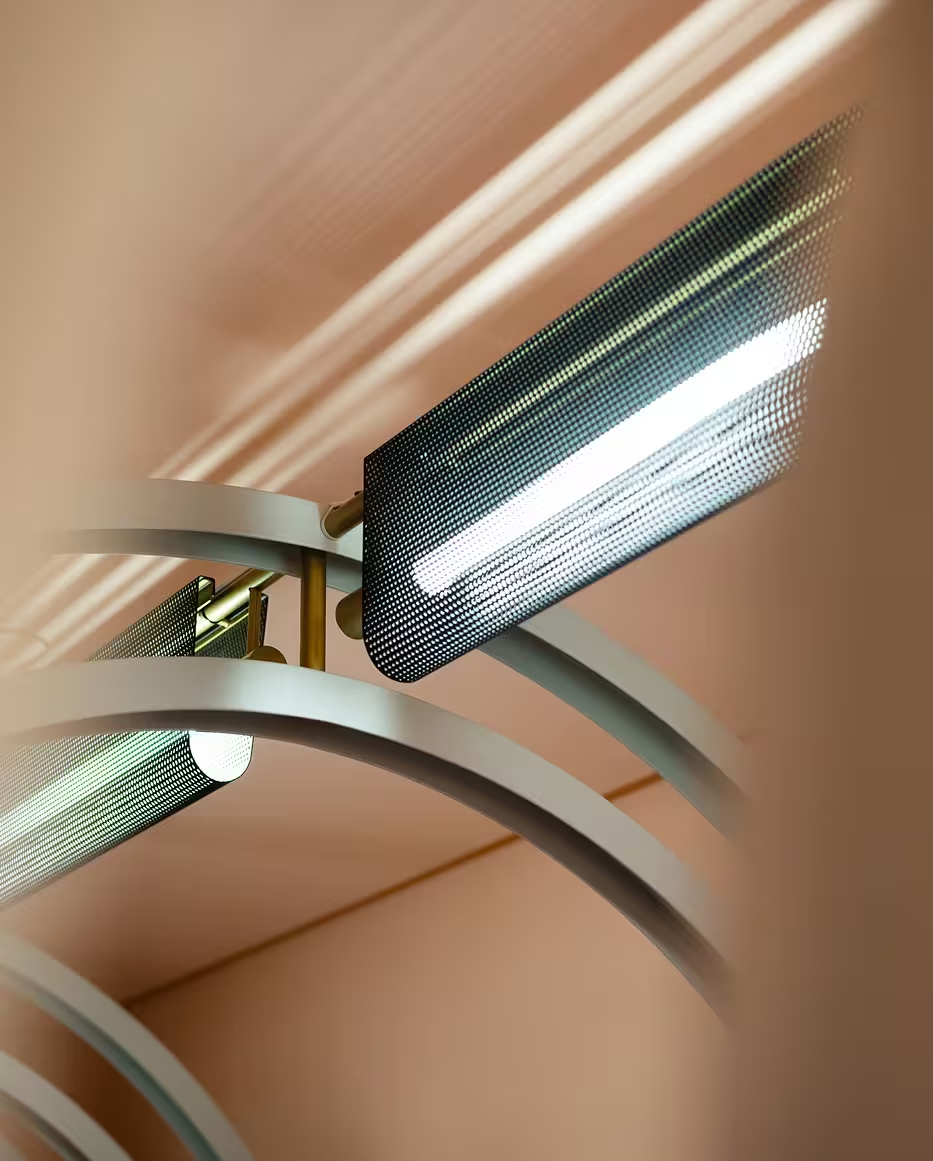
Access to daylight improves mood, supports decision-making, and creates a more authentic shopping or working experience. Strategically placed skylights, large windows, or light wells can reduce dependency on artificial lighting while creating environments that shift naturally throughout the day. Where natural light isn't possible, full-spectrum lighting that mimics daylight, with adjustable intensity and temperature, can replicate its benefits and help prevent fatigue during longer visits.
Biophilic design
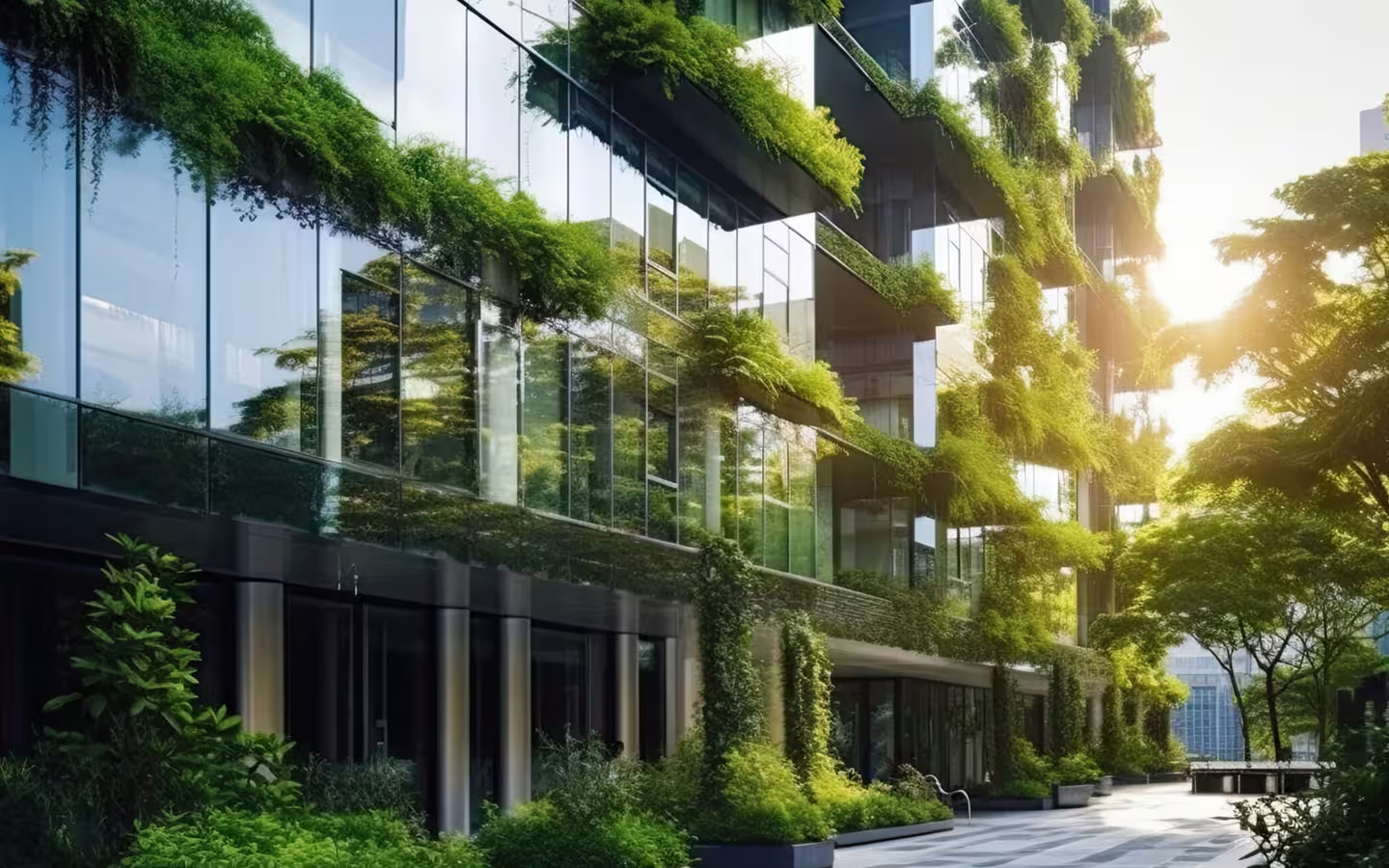
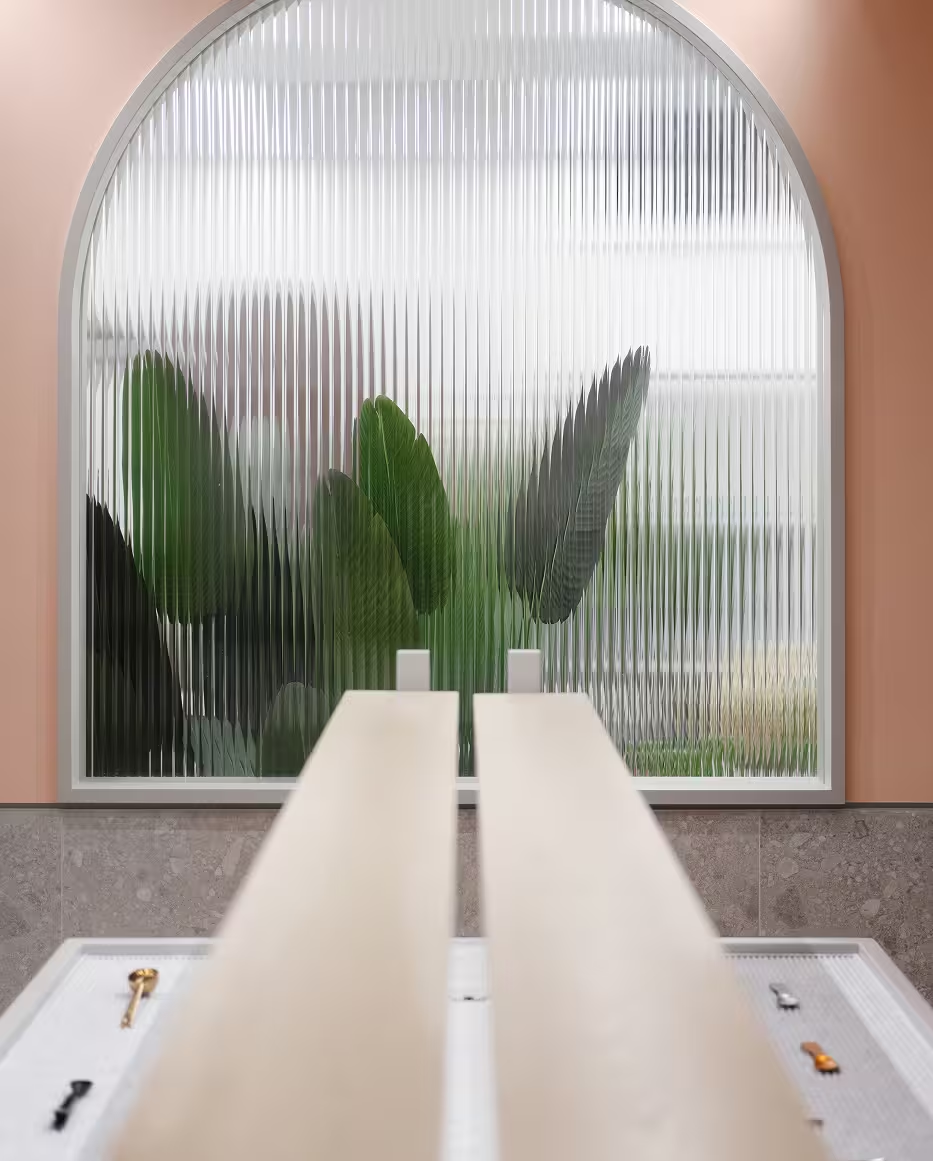
Incorporating natural elements into commercial spaces satisfies our innate connection to the natural world while measurably reducing stress and improving cognitive function. Living walls, indoor plants, natural materials like wood and stone, and water features can transform environments from transactional to restorative. These elements also improve air quality and provide natural acoustic buffers: benefits that compound over time rather than diminish.
Clutter and organisation
Visual noise, whether excessive merchandise, disorganised displays or competing signage, creates decision fatigue. Well-organised environments with clear categorisation, appropriate product density, and intuitive navigation reduce mental effort and improve the quality of the experience. Negative space around premium products, logical groupings based on customer needs rather than internal stock categories, and consistent visual merchandising all contribute to a space that feels considered and easy to inhabit.
Seating and comfort
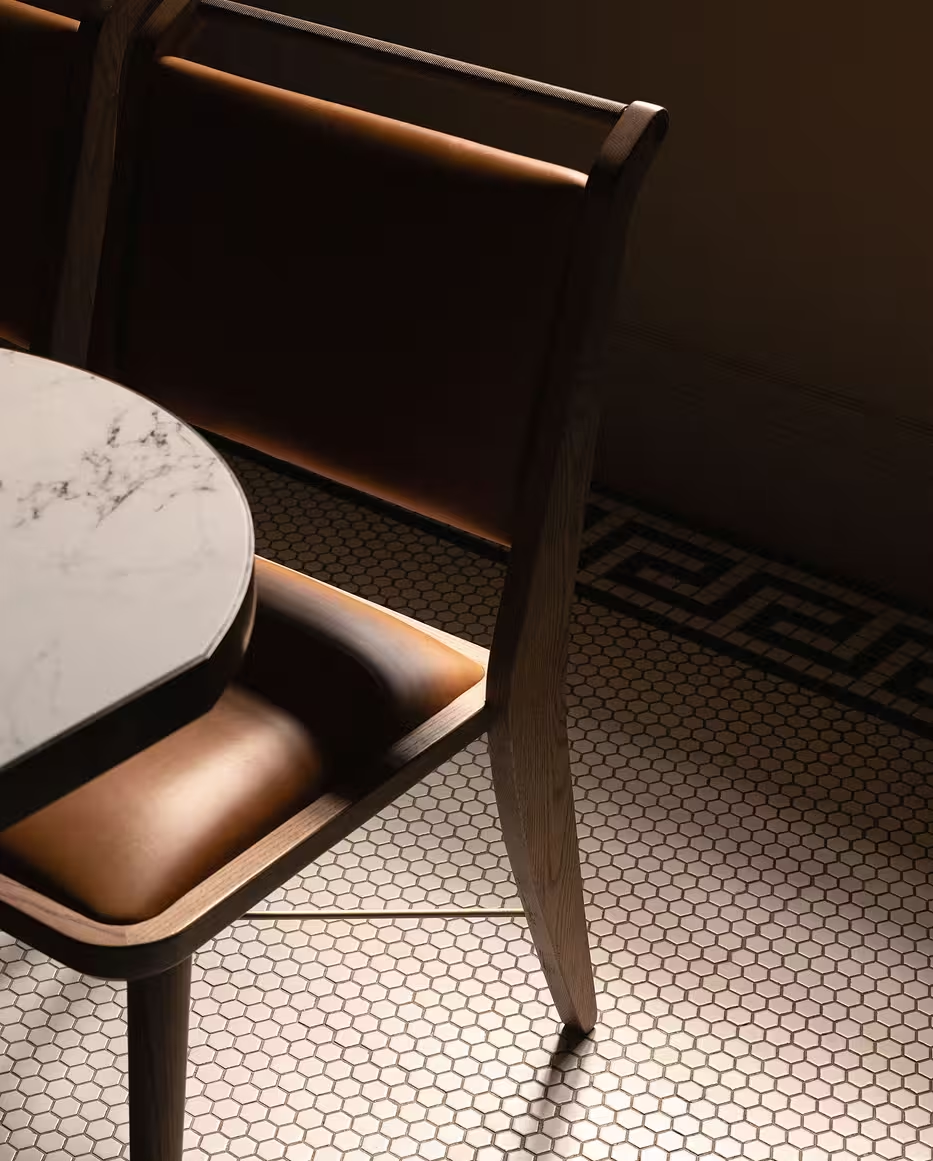
Strategic seating areas improve dwell time and reduce frustration, allowing for longer, more considered visits. Rest zones work best when integrated naturally into the customer journey rather than added as afterthoughts. Placement matters: the most effective seating sits near fitting rooms, consultation areas, or decision points, places where a moment to pause actually improves the outcome for both customer and business.
Personalisation and identity
Spaces that reflect customers' identities and values create deeper loyalty. This can be achieved through localised design elements, community partnerships, or zones that adapt to different groups and occasions. The most effective commercial environments function as community hubs, not just transactional spaces, and the design should make that role legible to anyone who walks through the door.
Acoustic design
Sound profoundly impacts behaviour. Excessive noise shortens visit duration and degrades the quality of human interaction within a space. Sound-absorbing materials, considered music choices, and spatial planning that creates natural acoustic zones all help customers focus, relax, and engage with staff more easily. In a retail context, this is often the difference between a customer staying to ask a question and leaving without buying anything.
Spatial layout and flow
Intuitive navigation removes friction. Effective layouts balance the pleasure of discovery with the ease of finding specific things: maintaining clear sightlines to key zones, avoiding bottlenecks, and ensuring the entire journey from entrance to exit feels deliberate and stress-free. The best spatial layouts are ones customers never consciously notice because everything is exactly where they expected it to be.
Sensory balance
Sensory-rich environments can be highly engaging, but balance is everything. Does the background music complement or compete with conversation? Does the fragrance strategy enhance or distract from the product? Does the lighting create atmosphere or headaches? Creating sensory transitions as customers move through different zones, allowing appropriate adjustment periods, keeps attention focused and prevents the overwhelm that shortens visits and erodes satisfaction.
.avif)