5 Tips for a More Productive Workplace
Studio X shares five practical design strategies for creating workplace environments that genuinely improve focus, collaboration and day-to-day productivity.


More than headcount
Designing a great workplace is about far more than squeezing in additional desks. According to research from the University of Exeter, good workplace design not only improves health and happiness but can boost productivity by up to 32%. In a world where the relationship between people and their offices has been fundamentally rethought, the physical environment has never mattered more. Here are five principles that consistently make the difference.
Ask your employees what they want
Many design firms claim to put the end-user first but in practice take a designer-centric approach, positioning themselves as the arbiter of what is right. Ask yourself who you are actually designing for. The sales team? Clients? New hires? You may envisage a space that impresses visitors and enhances your external reputation, but this must always be balanced against the requirements of the people who will use it every day. The working area should always be central to a workplace design scheme, never an afterthought.
Create clear boundaries between areas
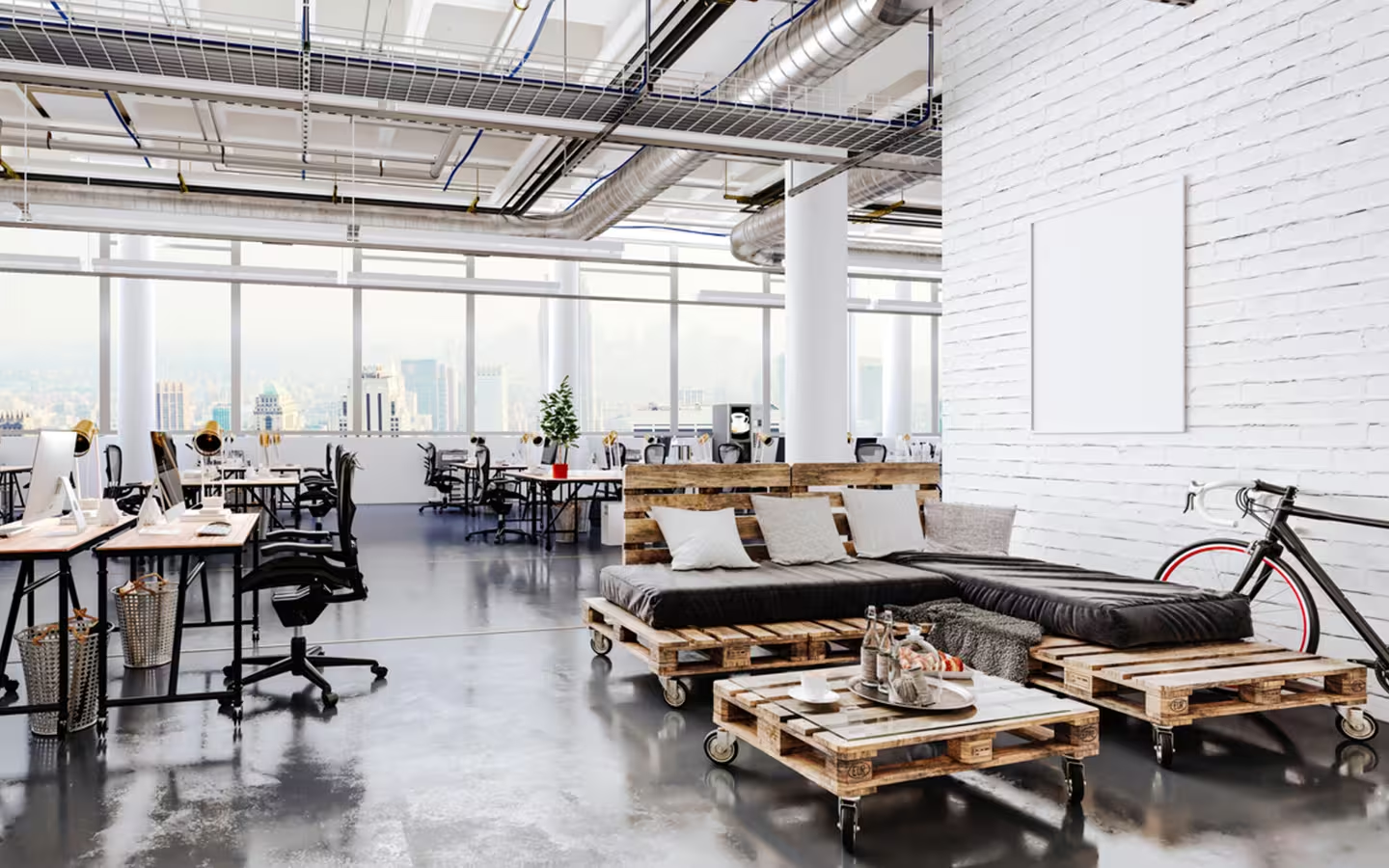
Open-plan workplaces can be a great solution for many firms, but individual zones need a focused purpose, distinct in their adjacency, proximity and threshold planning. Through zonal clarity, spaces can begin to cross-pollinate: the pantry becomes a place for impromptu meetings, the lobby becomes a town hall. Spaces can take on new meaning, but only if they have a distinct purpose to begin with.
Invest in the highest quality furniture you can afford
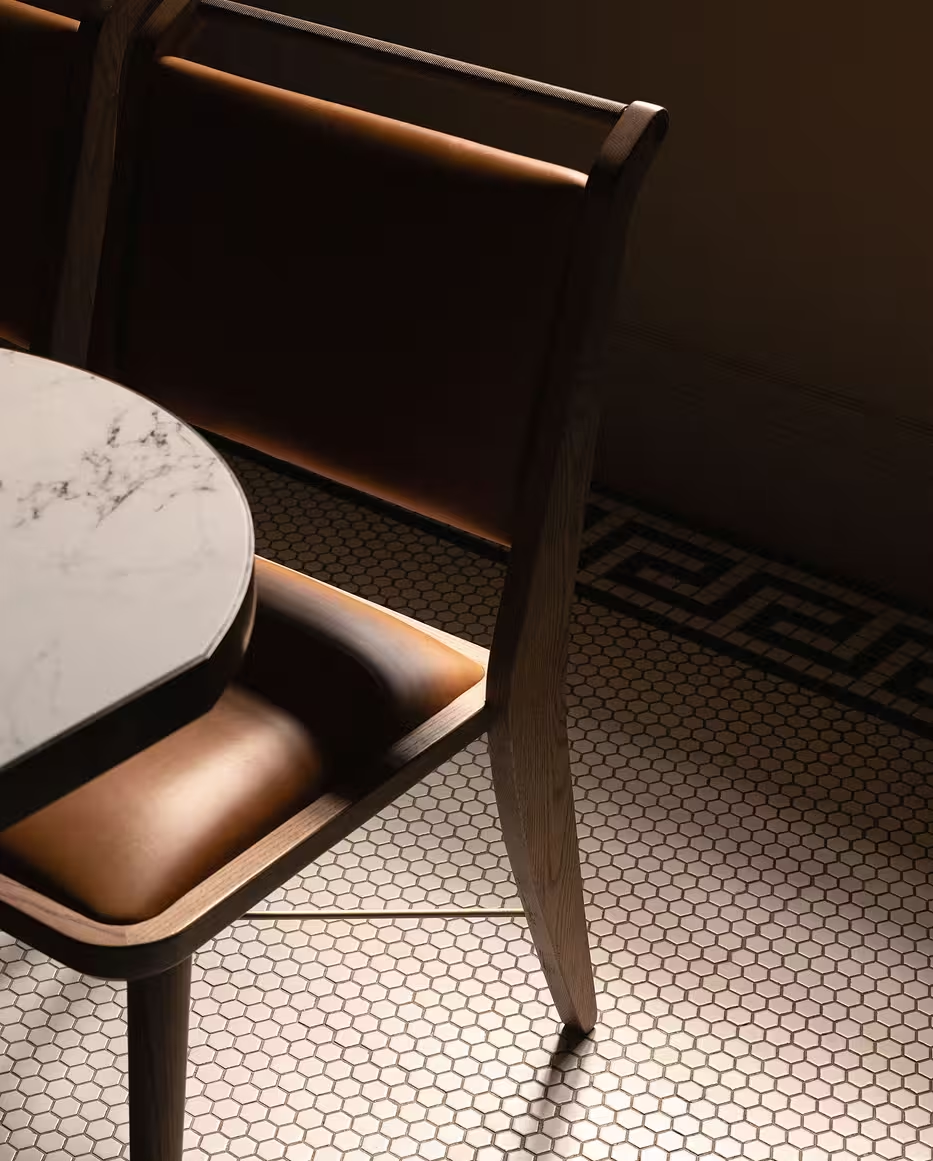
This doesn't mean blowing the budget on limited-edition Eames chairs. It means avoiding the temptation of generic, poorly designed furniture that floods the market. High-quality, well-built furniture pays for itself in productivity, durability and ease of use. Low-quality seating in particular frustrates employees, leads to more time away from desks, and needs replacing sooner. Buy cheap, buy twice.
Give employees space to take personal calls
Many companies believe the key to productivity is to eliminate lunch breaks, chit-chat and personal calls. But for firms that have built trust with their teams, creating private spaces for a two-minute call to the bank or the nursery simply prevents that call from becoming a ten-minute trip outside. Huddle booths, phone pods, and sound-dampened seating areas can absorb these moments without disrupting the wider floor.
Put community at the heart of the design
Employees at every level want to connect with each other and feel part of something. Through good design, we can help to bridge departmental and hierarchical divides, encouraging conversation, better collaboration, and ultimately better ideas. Socialising contributes to culture and should be supported, not suppressed. Creating space for serendipitous interactions, along with multiple flexible settings for work, meetings and breaks, is one of the most impactful investments a business can make.

.avif)