

Unlocking Hong Kong's Forgotten Buildings
Hong Kong’s overlooked buildings and the commercial and creative opportunity they represent for developers, landlords, and designers.
A city perpetually under construction
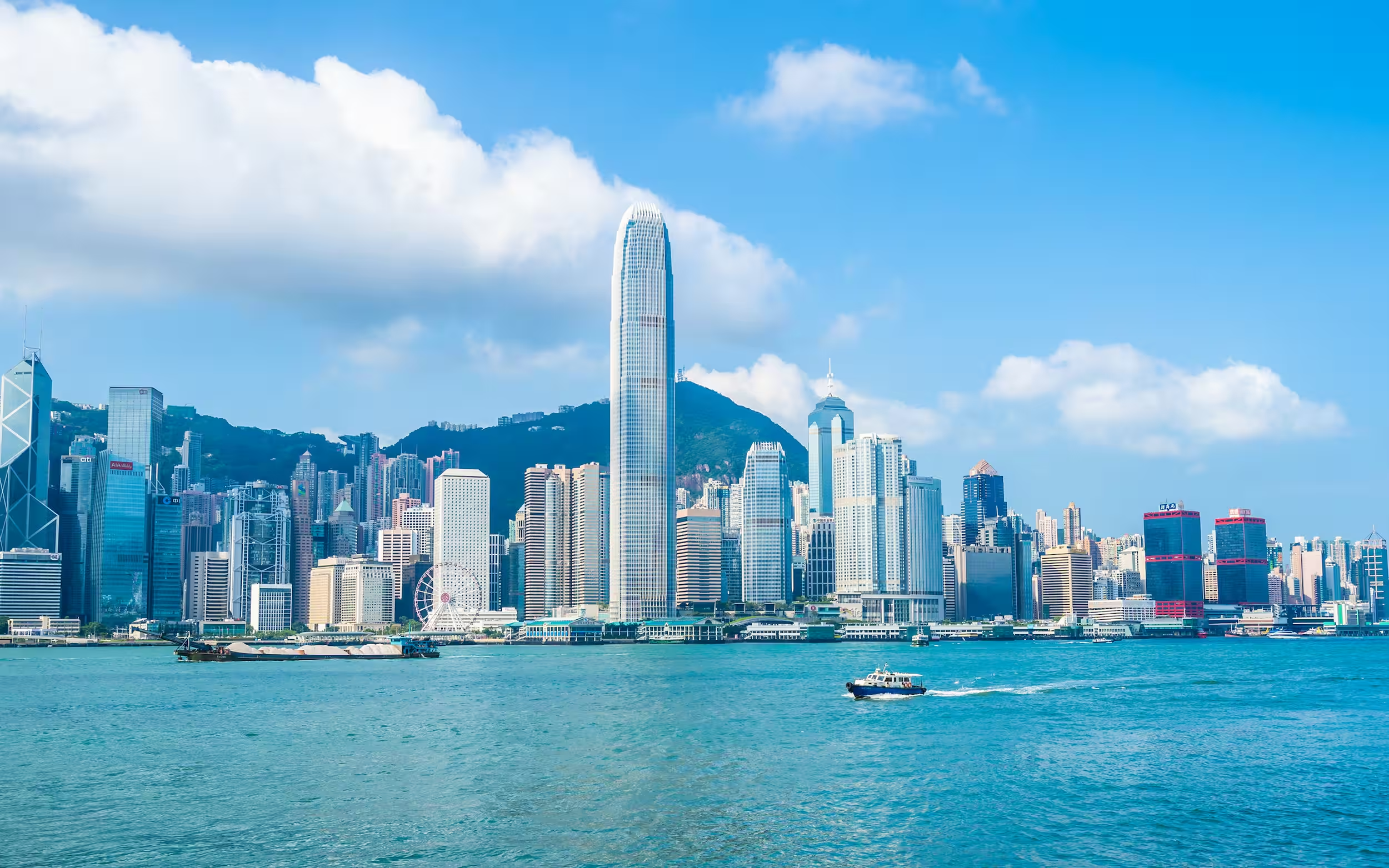
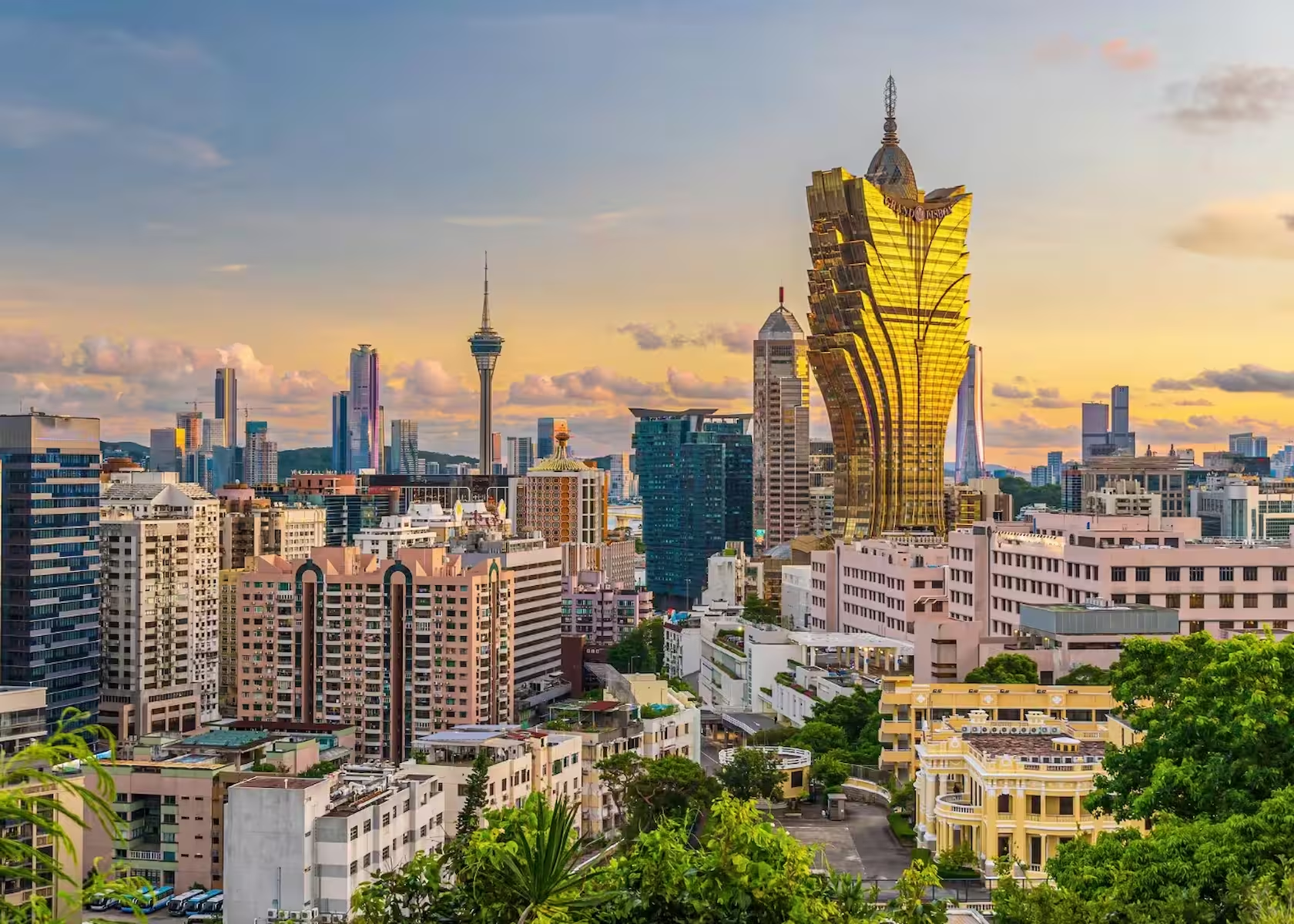
Hong Kong has built its reputation on reinvention. Entire districts have risen and fallen within a generation. But the city's perpetual urgency, its instinct to raze rather than restore, is generating vast environmental waste and locking it into a one-dimensional development model. At one point, in the late 1800s and well into the middle of the 20th century, parts of the city resembled a Venice of the East, awash with beautiful, ornate buildings. Today, that legacy is largely gone, replaced by a cycle of demolition and rebuild that strips away memory as efficiently as it strips away embodied carbon. Yet in the shadows of the skyline, many underperforming commercial properties quietly sit in limbo. Mid-rise offices, ageing malls, light industrial blocks: dismissed as outdated, written off by investors as liabilities. In truth, they are sleeping assets, full of cultural, commercial, and community potential.
The sleeping assets of the city
The property market has conditioned developers to think in terms of replacement rather than adaptation. When a building underperforms through low occupancy, ageing systems or outdated layouts, demolition is the default answer. But every underutilised structure represents embodied carbon, sunk investment, and an opportunity for reinvention. Adaptive reuse offers a different path: faster, more sustainable, and more attuned to the city's cultural DNA. By reimagining what already exists, developers can unlock new value streams, from creative work hubs to cultural retail clusters, without waiting years for approvals and rebuild cycles.
Yau Shing: a case in point
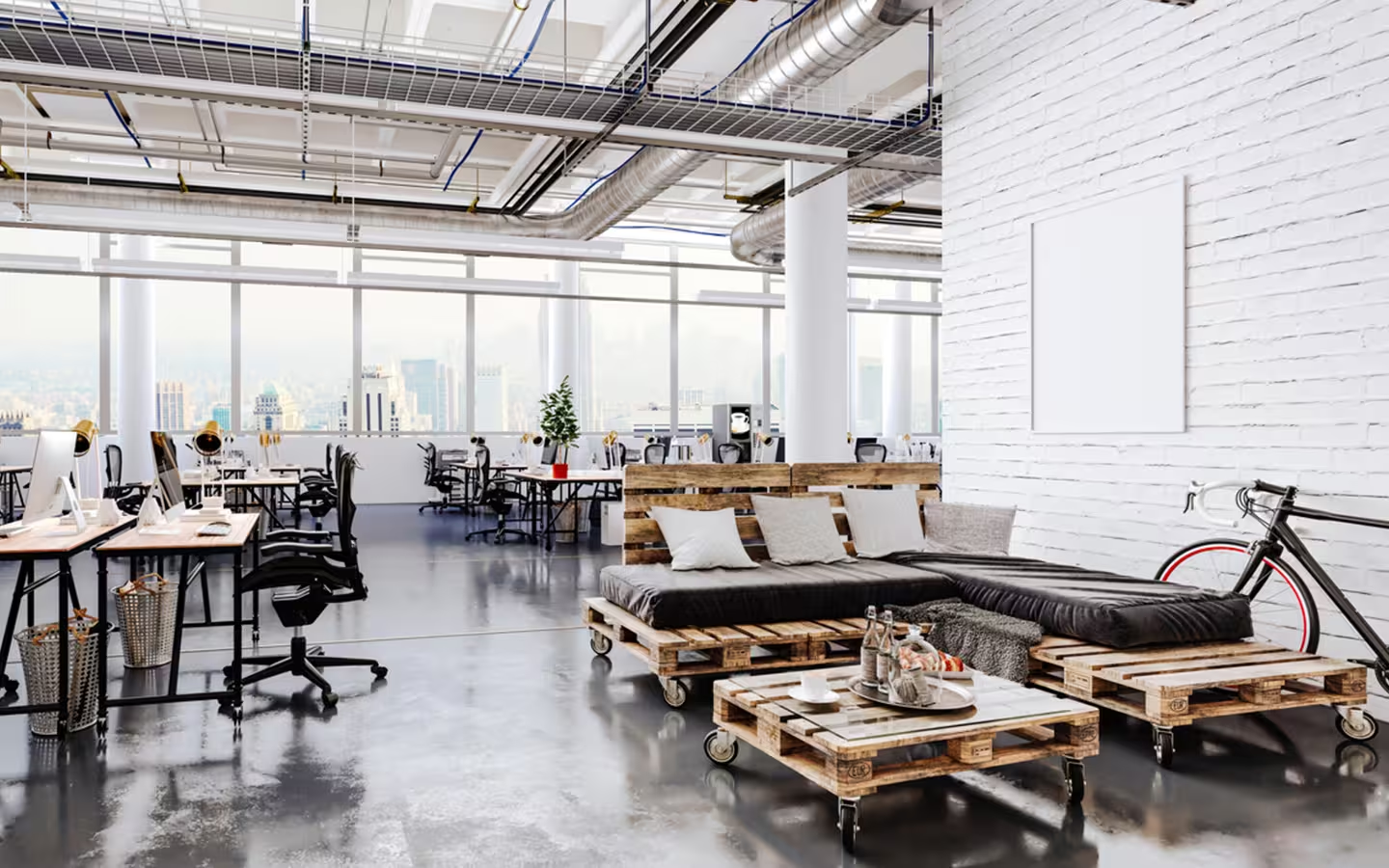
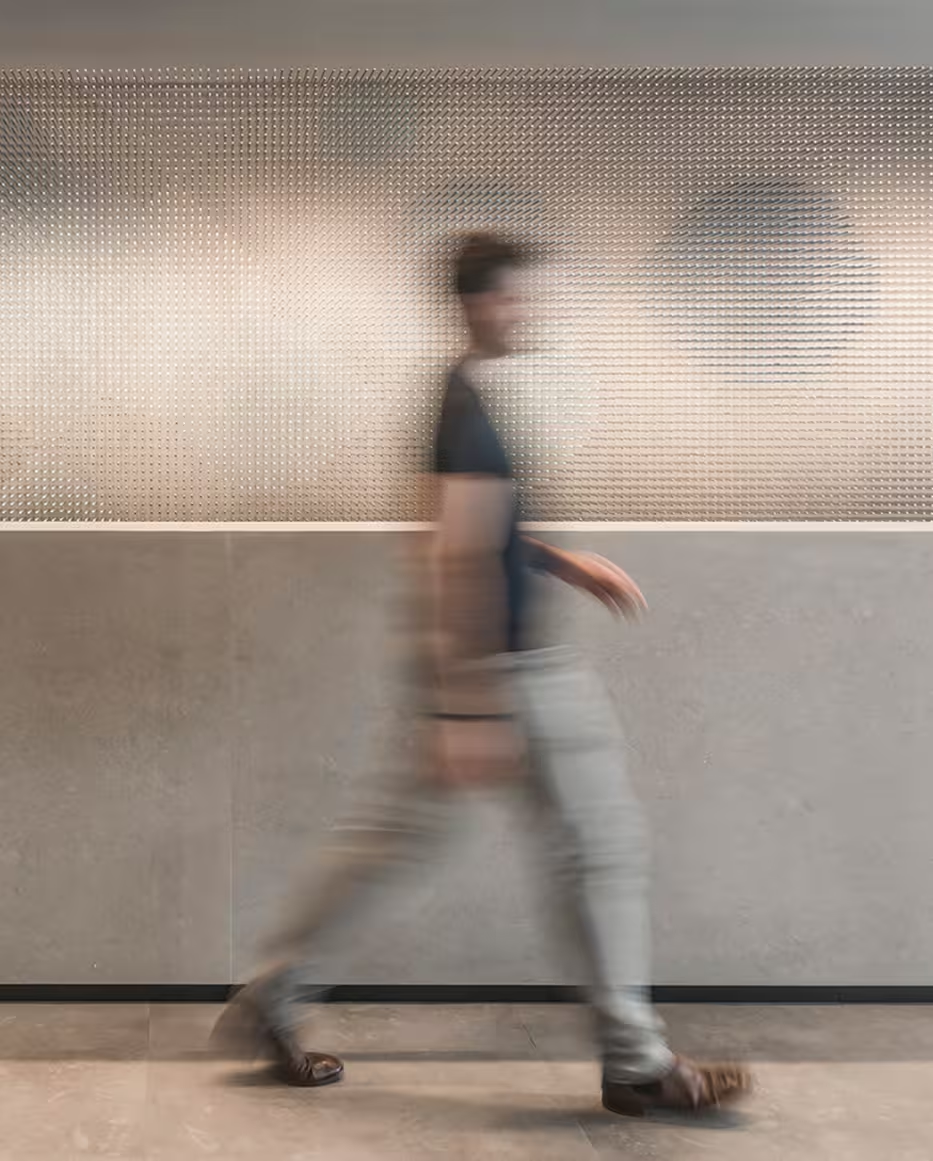
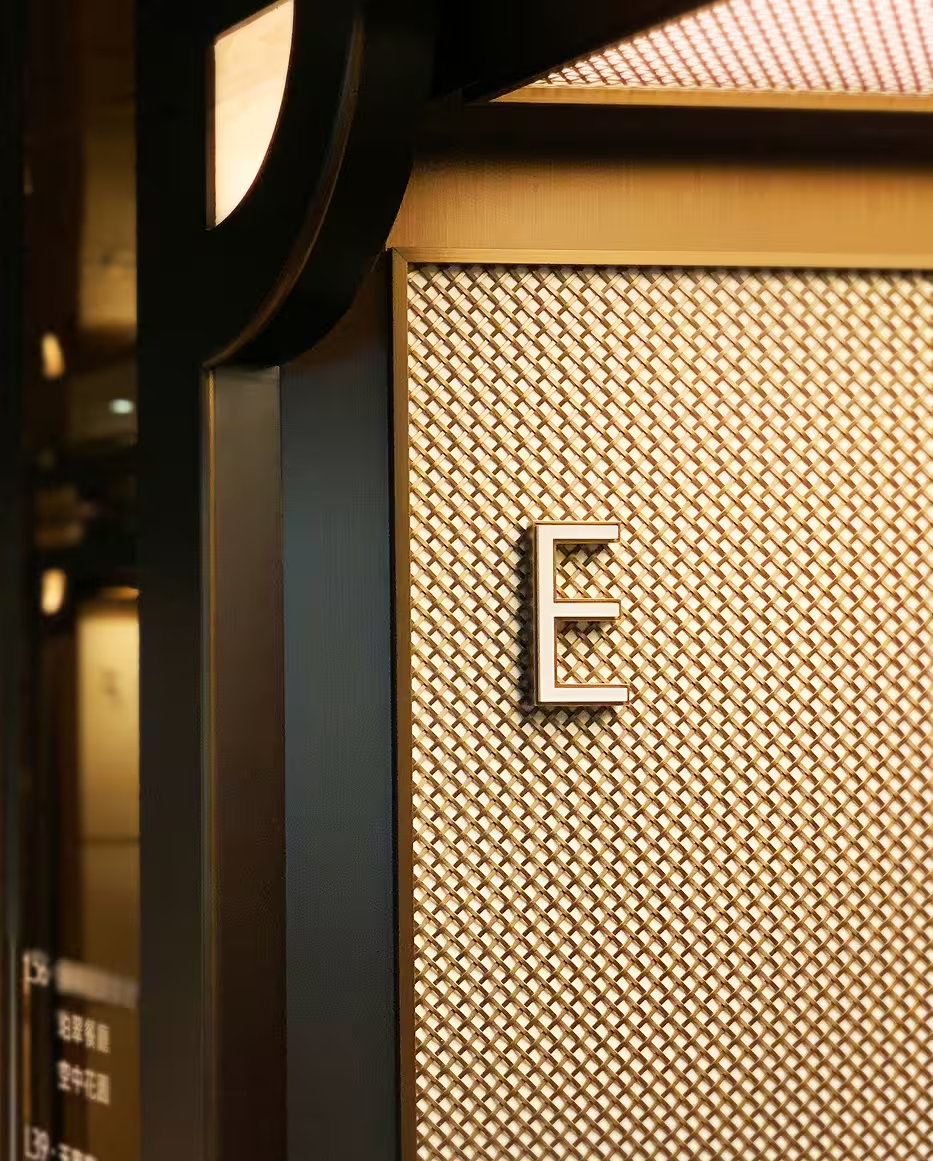
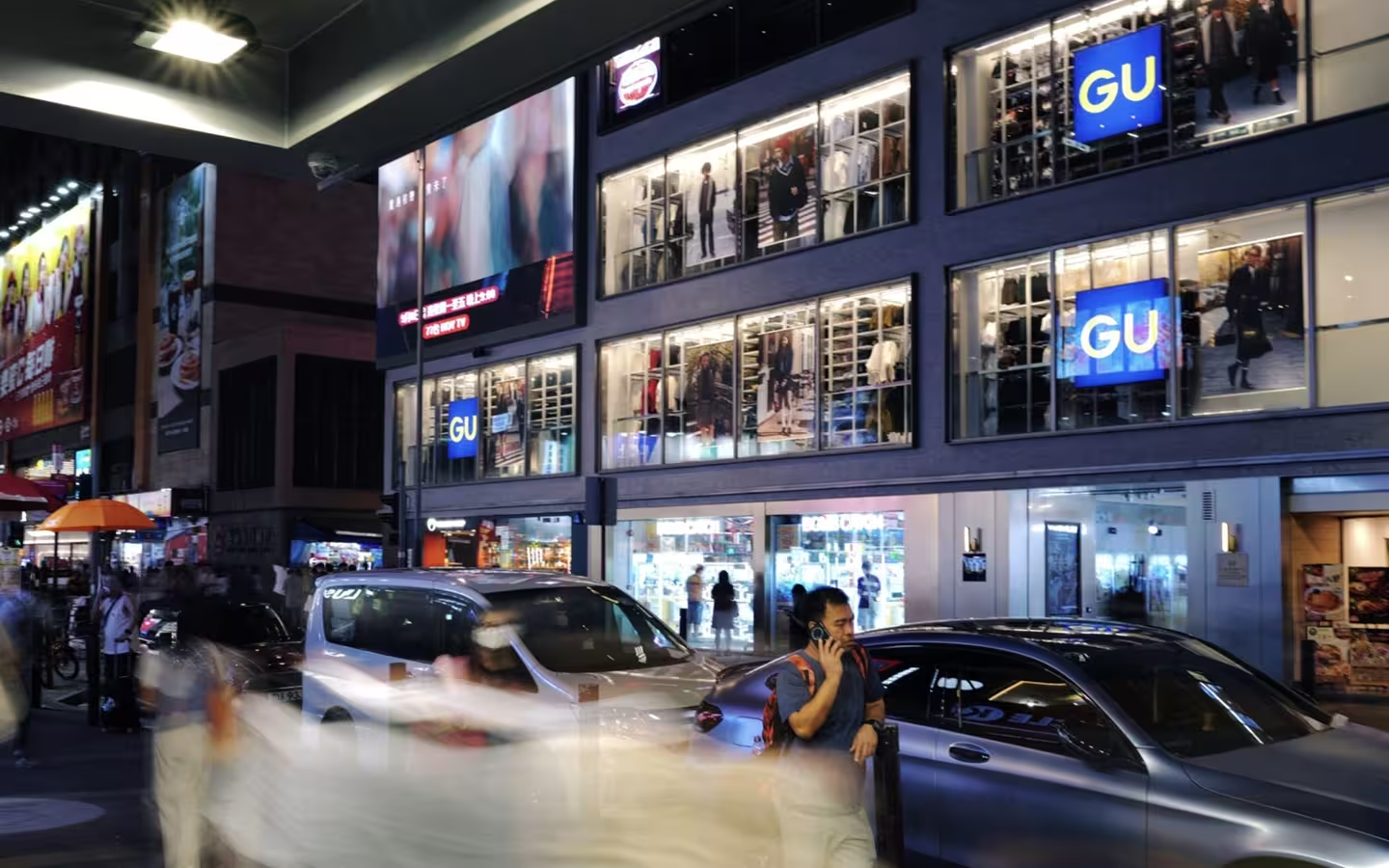
Our work on Yau Shing demonstrates what happens when an underperforming building is treated not as a liability but as a platform for transformation. Situated in the heart of Mong Kok, Yau Shing had slipped into obscurity: tired interiors, disengaged tenants, flat commercial returns. Yet it stood at the crossroads of one of Hong Kong's most culturally rich districts, where heritage trades, youth culture, and street-level vibrancy converge. Instead of advocating demolition, we focused on reimagining the building's bones, redesigning circulation, refreshing façades, and creating flexible interiors that appealed to a new generation of tenants. The goal was not to erase, but to amplify: giving the building relevance without stripping away its identity. The results were immediate. Yau Shing attracted stronger tenants, improved returns, and reinserted itself into the cultural life of the district.
Why it matters
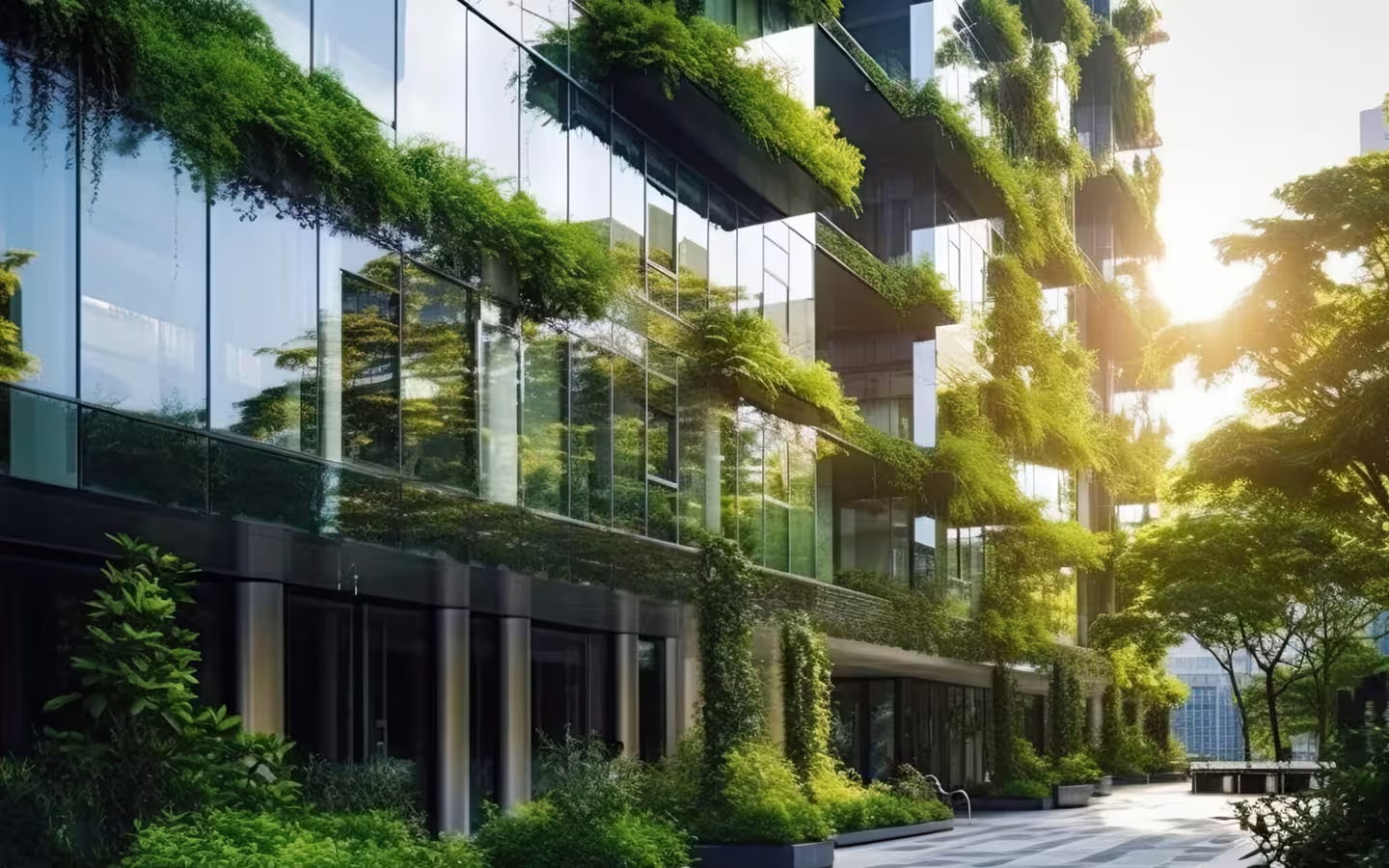
Hong Kong sits at a crossroads, reconciling its role as a global financial hub with its responsibilities around sustainability and liveability. The property sector sits squarely at the centre of this tension. Demolition and rebuild consume vast resources and generate enormous carbon costs. Extending the life of existing stock is one of the most effective ways to reduce impact. Older buildings hold layers of memory; re-inhabiting them preserves character and avoids the sterility of districts built only on glass and steel. And repositioning often delivers returns faster and at lower cost than full redevelopment, without locking investors into decade-long cycles. Cities like London and Tokyo are embracing adaptive reuse as a core strategy. With its density, high land values, and rich urban fabric, Hong Kong has even more reason to lead the way.
Re-energising, not erasing
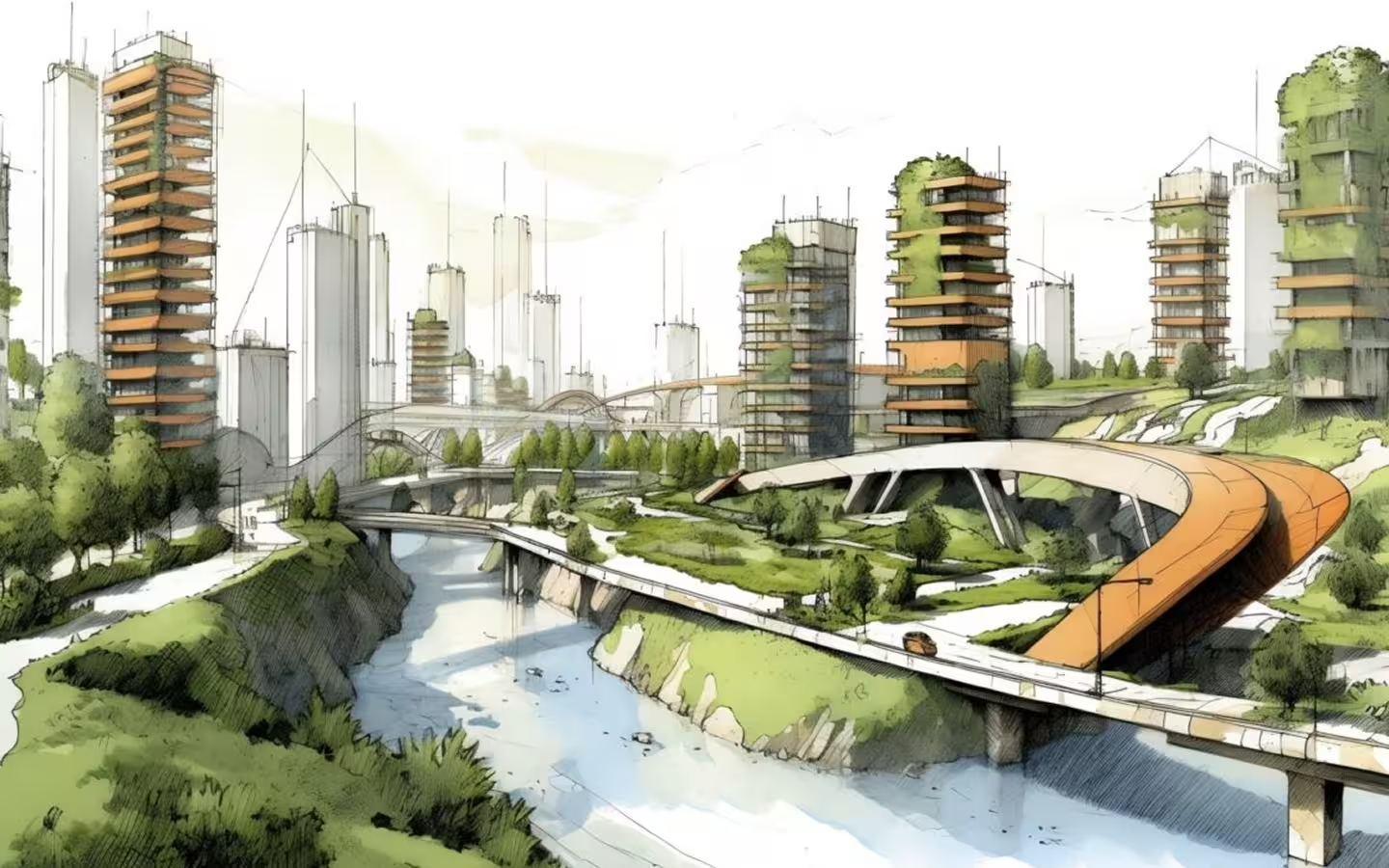
The future of Hong Kong's built environment will not be found in erasing the past, but in re-energising it. Underperforming commercial properties should not be seen as failures; they are foundations for renewal. Across the city are hundreds of such properties: outdated malls, tired offices, forgotten industrial blocks, all waiting for reinvention. With imagination and intent, these spaces could become the next generation of cultural and commercial landmarks. Hong Kong has always been a city of reinvention. But reinvention doesn't have to mean destruction. The choice is simple: keep tearing down and replacing, or begin to build on the richness that already exists. The former builds towers. The latter builds culture.
.avif)